Dr. Nadler Lectures at SMC

 diabetesphoto3

This past Thursday evening, I had the pleasure of speaking to the Diabetes Support Group at the Somerset Medical Center.  The title of the talk was “Diabetes in Dentistry –What You Need To Know.”  Two themes were emphasized during the hour-long lecture.

First, all systems and organs in the body are connected.  And, in this case, diabetics are at risk for more severe periodontal infections than the general population.  In addition, uncontrolled periodontal disease actually aggravates the diabetes as well as the reverse.

Second, it’s all about prevention.   Those with diabetes often have xerostomia or “dry mouth.“  So, not only do diabetics have a compromised ability to fight infections, butdry mouth also contributes to an increased risk of decay and gum disease.  As a result, cavities and gum disease can progress rather quickly in these patients.  And, by the time a person realizes that a problem exists, the issue is often quite advanced and requires more aggressive, costly and involved treatment to be addressed.  Prevention through regularly scheduled care  as well as proper home care is the best way to avoid such major problems. 

diabetesphoto2


The entire lecture as well as the questions and answers segment that followed was videotaped.  It will be on the hospital television channel as well as online at www.somervilletv.com under “Live TV.”

If you have any questions about diabetes and dentistry, it will be my pleasure to answer them.   I can be reached in the office @ 908.359.6655 or online at www.DesignsForDentalHealth.com  


Need a Dose of Commitment?

Need A Dose Of Commitment?

If you had plans to change or improve or evolve in some way this year, I would love to know how you are doing!

Year after year, all of us who are regulars at the gym witness the “January Phenomenon.”  For about six weeks beginning at the end of December, there are too few parking spaces near the gym entrance.  It seems like long walks in the cold wearing only gym clothes is the norm until mid February.  Similarly, those of us who like to take classes – and I do love spin class – must arrive very early to claim an available bike as classes are generally full during that same time period.  Those that arrive in the nick of time are often bikeless and very disappointed.

Maintaining my commitment to exercise has never been an issue for me – I enjoy both working out as well as the people I’ve come to know at the gym.  As reported to you earlier this month, I began the “Clean” nutritional program again this year for the second time.  I felt great and had lost most of the holiday pounds which had been gained.  Then, came my birthday last week!  My wife loves to travel that week, so we went away for five days to “celebrate.”  Boy did we celebrate!  We traveled with two of our closest friends and played golf, ate great food, drank some nice wine, and forgot the cold weather – and our commitments.  Actually, for the first few days, except for some really nice wine, I ate only foods which were on the program and did not overindulge even a tiny bit.  On my birthday, fuggettaboutit!  What the heck, it was my birthday!
dentist check list

That one day turned into a four-day food fest, and I felt like the prior two and a half weeks were wasted.  But, not true!  On Monday I started the program in earnest all over again without any signs of withdrawal!   So, I’m back on track with goals in tact and a plan to succeed.  The discomfort in my arthritic knees and the mirror in my bedroom are all I need to stay on track.  In the back of my mind is always the thought that a little compromise grows into a big one resulting in a loss of focus and the end of commitment.  Rewarding one’s self is another story and can help us meet our obligations to ourselves for the long haul.  That’s my view.

So, I wonder.  What can you share about your commitments?  What helps you to meet your goals or resolutions?  What experience can you share to help others?  I’d love to hear from you!  You may add a comment on this blog, send me an email via our website at www.DesignsForDentalHealth.com , or post a comment on our Facebook page.  May you all enjoy smooth sailing in the direction you have chosen for your lives!  All the best in 2013!

Improve Your Workouts And Lessen TMJ Pain With Six Exercises

Mariano Rocabado, DPT is a physical therapist who specializes in problems with the head, neck and spines. His work with Temporomandibular Joint Disorders (TMJ or TMD) is very extensive, and he developed an exercise program that is taught to all over the world to address postural relationships with the head to neck, neck to shoulders and lower jaw to upper jaw. The objective of this home exercise program is for patients to learn a new postural position, fight the soft tissue memory of the old position, restore the original muscle length-tension relationships, restore normal joint mobility and restore normal body balance.

Temporomandibular joint (TMJ) disorder is a term which encompasses inflammatory disorders of the jaw. Symptoms of TMJ may include headache, earache, neck pain, jaw tenderness and clicking or aching facial muscles. TMJ usually occurs when the muscles used for chewing and your jaw joint are out of balance.  The cause of TMJ is most commonly improper alignment of your teeth, and is exacerbated by stress and tooth grinding.

What is most interesting is that when the body’s posture is corrected, amazing things happen with regard to strength, flexibility and balance.  Similarly, there are bite appliances which place the jaw in its “physiologic” neuromuscular position.  Such appliances are used not only to treat TMJ but are also worn by athletes of all kinds to improve their performance – golfers, basketball players, football players, etc.  I have seen demonstrations of such “instant” improvements and they are amazing.  Feel free to ask me for a demonstration the next time that you visit the office.

I began using one of these exercises during my workouts in cycle classes which I have grown to love.  These spin classes have been the core of my cardiovascular exercise for many years now.  Proper posture improves performance while exercising and playing sports, and I find that that there is a simple maneuver to help ensure good body position to allow me to get the most of my workouts.  It’s the last exercise in the series described below.

Rocabado advocates that the program be performed by the patient at home, and it consists of six different exercises and six repetitions of each exercise, performed six times per day until symptoms subside. The Rocabado exercises emphasize correct postural position and help to combat the soft tissue memory of your old posture. Perform the exercises one after the other until your session is complete. It will take about one minute.

The six exercises:

  1. Place your tongue on the roof of your mouth. Position the tip just behind your teeth and take six deep breaths.
  2. Keep your tongue on the roof of your mouth and open and close your mouth six times.
  3. Your tongue remains on the roof of your mouth and two fingers are placed on the chin to open your mouth against gentle resistance. Following that, place your fingers on both sides of your jaw and move the jaw sideways six times.
  4. Place your hands behind your neck and bend your chin down as if nodding your head.
  5. Move your chin down and back as if making a double chin.
  6. Finally, correct your posture by lifting your ribs and chest upward while squeezing your shoulder blades together.

Perform six repetitions of these exercises six times a day.

Give these exercises a try.  If you feel pain while performing these exercises, stop doing them and consider calling us to arrange a TMJ screening or consultation about your symptoms.  If you have questions, feel free to call us at 908.359.6655 or send us an email via our website at www.DesignsForDentalHealth.com

New Year ~ Old Resolution: How Dr. Nadler eats “Clean”

On January 2, I began my annual nutritional cleansing program as I have done for the past decade and a half.  After a solid month of holiday and party food, I usually have a few pounds to shed and just don’t feel 100 percent.

This year, just like last year, I began the twenty-one day “Clean” program, which I had heard about from another dentist who attends the Las Vegas Institute for Advanced Dental Studies, where I also studied.  Not only does this cleanse help me to lose weight – eight pounds so far – but, it also has changed the way I eat entirely.  And, most importantly, this program introduced an awareness of the quality and healthiness of the foods that my family and I eat.

I had never before heard of GMO’s – Genetically Modified Organisms.  These are foods which have been engineered for a variety of reasons to produce more crops, be more insect resistant, be bigger and so forth.  And, there are a growing number of consumers, health professionals and producers who feel that GMO’s can be hazardous to our health.  I guess this is why we see an ever-increasing assortment of organic and gluten-free products and dairy substitutes like almond milk in our grocery stores.

To get a better sense of what has been happening to our food supply, I recommend that you watch a 2008 movie called “Food, Inc.”  This 90-minute documentary created quite a stir in the agribusiness community and was highly rated by critics.  You may also wish to read a short article (read here) entitled “GMO alert:  top 10 genetically modified foods to avoid eating.”

As for the cleanse, the program is rather rigorous as there is only one solid meal per day for three weeks.  Only fresh, non-processed, preferably organic foods are consumed.  After the initial cleanse, different foods are reintroduced to the diet.  This way, you can easily see which foods may be having a negative effect on your health and well-being.  After last year’s cleanse, I learned that dairy (except eggs) were out for me.  I have also eliminated gluten and starches like potatoes.  The result?  More energy, excellent health, much less flab.

So, if this is of interest to you, check out the book CLEAN by AlejandroJunger, M.D.  If you have any questions about this program or my experiences with it, feel free to call me in the office at 908.359.6655 or send an email via our website at www. DesignsForDentalHealth.com

Finding ways to “zen” with Diabetes

zen-gardenDiabetes patients may reduce depression and emotional problems through mindfulness based cognitive therapy!

For many patients, living with diabetes is no easy task. The day-to-day struggle of controlling the disease can take a toll on one’s mood. Being mindful of the moment may help diabetes patients boost their mental health.

Diabetes patients dealing with emotional problems may benefit from mindfulness-based cognitive therapy, according to a recent study.  In mindfulness-based cognitive therapy, patients learn to pay attention to their feelings of stress and depression while developing a new relationship with those feelings.

The idea is to help patients understand their negative feelings, to discover what makes them vulnerable to those feelings and to become aware of the factors that lead to those feelings.

Find out more about finding a “zen” in diabetes here!

Change your diet, Protect your teeth!

Change Your Diet, Protect Your Teeth

Food and Oral Health

Every few months, we remind our blog readers about the basic formula that leads to tooth decay and poor oral health:

Bacteria + Food + Time = CAVITIES or GUM DISEASE or BOTH

You probably already know that the foods that put you at the greatest risk for tooth decay and gum disease are those high in sugar, any kind of sugar.   An easy way to address this is to opt for snacks that are lower in sugar and higher in nutritional content.  This not only reduces the risk of cavities, but also helps to strengthen overall health by nourishing the body.

For “mouth healthy eating”, the ADA mouthhealthy website makes the following recommendations:

“For good dental health, keep these tips in mind when choosing your meals and snacks:

  • Drink plenty of water.
  • Eat a variety of foods from each of the five major food groups, including:
  •  whole grains
  •  fruits
  • vegetables
  • lean sources of protein such as lean beef, skinless poultry and fish; dry beans, peas and other legumes
  • low-fat and fat-free dairy foods”

    Are there foods that can protect my teeth?

Beyond controlling sugar intake to make a positive impact on your oral health, there are also some foods that are known to help protect and strengthen the teeth.

Cheese: Cheese, especially cheddar cheese can help balance the pH levels in your mouth, neutralizing the natural acids found in foods.  Neutralizing these acids can help protect the enamel on your teeth, which erodes when exposed to acids.

Crunchy Vegetables: Crunchy veggies actually help clean your teeth while you eat, helping to remove food particles as you chew, limiting the build-up of plaque.  Also, chewing crunchy vegetables can help increase saliva production in the mouth, which helps wash away food particles and neutralize cavity-causing acids.  And they are extremely nutritious!

Sesame Seeds: These flavorful little seeds are abrasive enough to help remove plaque from your teeth while they are being chewed.  In addition, they are high in calcium and can help promote strong teeth in children.

 Are there supplements that can help support my oral health? 

There are certain supplements that can help keep your gums healthy, which in turn can help promote your overall oral health.  Check out the answers provided by Dr. De Vizio DMD and Dr. Gerry Curatola on the Colgate Oral Health Sharecare website:

Yes, supplements such as Vitamin B and iron can help keep your gums healthy. Vitamin B is essential for growth and iron for healthy blood, which in turn contributes to healthy gum tissue. Vitamin C keeps gums healthy by producing healthy connective tissue that holds teeth in their sockets. The antioxidant nutrient, co-enzyme Q10 (CoQ10) provides energy needed for gum cell growth and healing of gum tissue. Other nutrients important for gum health include vitamin A and beta carotene, zinc, vitamin E, selenium, and flavonoids. ~Dr. De Vizio DMD

Japanese researchers in the 1970’s biopsied diseased gums and discovered that there were deficiencies of key antioxidants necessary for proper cell function. Since then, ongoing research has identified the most important are Vitamin C, Coenzyme Q-10, Vitamin E, Folic Acid, B-12, Vitamin D, and Essential Fatty Acids- Omega 3, 6, 9. ~Dr. Gerry Curatola

 Promoting Your Health with Food

As you can see, not only can eating certain foods CAUSE cavities, but eating others can actually help PREVENT them.  This won’t replace the need to brush and floss regularly and get regular dental check-ups and cleanings, but it can help to promote and protect your oral and overall health.

To learn more about maintaining your oral health, schedule a consultation with Dr. Richard M. Nadler by calling our Hillsborough NJ dentist office at (908) 359-6655. Remember to visit our website at www.DesignsForDentalHealth.com for more information about our office and services.

Dr. Nadler is writing a BOOK! Put your “2 Cents” in!

Have you always wanted to put your “2 cents” in on a book that was being written?  Well, Dr. Nadler would love your help!

He is writing a book for dental patients with the working title of:

Transform Your Life With A Smile, The Book on Designing Life-Changing Smiles

Please use the comment space below to:

  • What topics you would you think would be of interest in such a book?
  • Are there any specific questions which you would like to see addressed?
  • And, Finally, how do you feel that a healthy and beautiful smile can impact your life?

To thank you for your invaluable input, Dr. Nadler will give each person who puts in their “2 Cents” with an autographed copy of the book!

Are We Making Our Kids Sick?

The Link Between Food, Childhood Obesity and Type 2 Diabetes         
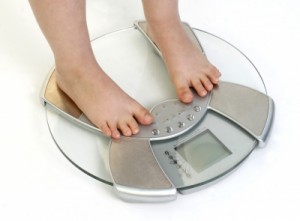
For the first time in human history we are experiencing a childhood obesity epidemic.    40% of children are overweight and 2 million children in the US are considered morbidly obese, exceeding the 90th percentile for weight.  Even more alarmingly, the current childhood obesity epidemic is giving way to an increase of over 1000% in the cases of type 2, or “adult onset”, diabetes, in children.  In the past fifteen years the percentage of new cases of diabetes in children has risen from only 3% of all diabetes cases to over 50%!

On top of that, a new study has found that medications that are taken by adults with Type 2 diabetes are not as effective in children and often stop working altogether after a few years, leaving no option other than increasing the amount of insulin injections, which themselves can lead to weight gain, high blood pressure and high cholesterol.

This is one of many adult diseases that are becoming commonplace in children.  According to a colleague who is concerned over the state of children’s health in our society:

I recently spoke at an Emory University conference on childhood type 2 diabetes.  I met a pediatric gastroenterologist and wondered what he was doing at a conference on diabetes.  He told me he now has 5-year-old patients with cirrhosis from fatty liver caused by years of drinking soda. There has been an over 50% increase in strokes in children aged 5 to 14(8).  We are now seeing heart attacks in teenagers, and twenty year olds needing cardiac bypass surgery because obesity and diabetes clogs their arteries.

Are We Making Our Kids Sick?

Are we making our own kids sick?  Is there a way to stop this?  Diabetes, specifically, is preventable and reversible, but it is not something that can be fixed with medication, health pamphlets or a handful of healthy meals.  To address and reverse this disturbing trend will take a series of lifestyle changes for our whole society.

Looking just at the obesity and diabetes issue, take these statistics, for example:

  • The average American consumes 54 gallons of soda each year
  • The average child in America consumes 34 teaspoons of sugar every day.

Does any doctor or parent honestly think that one can medicate a child out of the results of years of this behavior?  Sugar and junk food have been proven to be biologically addictive.  That it is acceptable and normal for children to be consuming such a high amount of this substance despite the known health risks associated with it is illogical and absurd, but it continues to be the norm.  We need to move beyond setting our children up for a lifetime of sickness and ill-health.

This is not just about “making better choices” or “cutting down” on harmful foods in the diet, nor is it about individual parents taking charge of their own children’s food choices one at a time.  In order to address the issue of food and health, our culture needs a complete overhaul of the way we look at food. 

According to our colleague, Dr. Mark Hyman:

The food industry has hijacked our taste buds, our brain chemistry, our kitchens, our homes, our schools and our communities.  When children have nearly unlimited access to sugar and processed food, when we have 600 calories more per day of sugar calories per person than 30 years ago we have to have an honest accounting of the playing field.  The food environment is designed for kids and adults to fail.

Making a Change

Making a change is imperative for everyone, not just those with children.  It is important for the future of our culture and society as a whole that Type 2 diabetes as well as childhood obesity are eradicated from the equation.  Healthy children are much more likely than sick children to grow into healthy, productive, successful adults.  The well-being of our children can increase the health of our communities and our culture as a whole.

There are many approaches to making the changes necessary for making living an unhealthy lifestyle unacceptable.  This means fostering health instead of disease.  It starts at home, with a healthy diet consisting of fresh and nutritious meals, low in sugar.  Breaking the sugar habit is a difficult, but important step to health. 

However, there are forces outside the home which encourage the consumption of sugar and junk food, and initiatives that could be undertaken to address these.  Some include stopping government subsidies of agricultural products that allow cheap, high-calorie, nutrient-deficient sugars and fats into the marketplace in a more accessible manner than nutritious, wholesome foods; taxing sugar and possibly processed junk food with added sugars to help cover the hundreds of billions of dollars worth of health care costs related to increasing obesity, diabetes and heart disease; banning the marketing of junk foods to children; and funding and supporting community-based initiatives such as community gardens and local farmstands, cooking and nutrition classes and programs to create healthy school lunches.

We have included a list of tips and actions you can take in your own home and community to address this issue and begin making a change, for the sake of our children and our future.  Please comment on this article to add your own ideas to the list of tips and steps we can take.  This is in our hands!

It starts with food.  Tips for a healthier future.

  1. Eat carrots, not cookies.  100 calories of a vegetable is NOT equal to 100 calories of processed sugars and fats.  Healthy snacks are packed with essential vitamins and minerals that you will not find in a snack pack of chips or cookies.
  2. Lead by example.  If you have kids, work with kids or are ever around them, you know that children follow the example of the adults around them.  If they see YOU making healthy choices on a regular basis, they will follow suit.
  3. Shop at your local farmer’s market.  You won’t find as many processed foods there and you may even be able to meet the farmer who grows your food.  Shopping at a farmer’s market instead of a grocery store will encourage you to purchase and use more fresh fruits and vegetables instead of processed foods high in sugar, fats and preservatives.
  4. Support a ban on marketing junk food to children.  The USA is only 1 of 2 countries who still allow junk food marketers to target children.  Contact your legislators and tell them you would support such a ban to ensure a healthy future for our children and our nation.
  5. Support a ban or reduction of government subsidies of junk food and products high in sugars.  Contact your legislators and tell them you would support such a ban to ensure a healthy future for our children and our nation.
  6. Support healthy school lunches.  Even if you don’t have children, contact your local PTO or PTA and Board of Education and tell them you want healthy, nutritious lunches for the children in the school to help ensure a healthy community and a healthy future for the community.
  7. Reduce sugar consumption in your diet and encourage the same for your family members and friends.
  8. Get active!  Don’t remain sedentary.  Move around, exercise, walk, run, play, anything to keep your body active and moving.
  9. Choose fresh foods over processed foods.  Processed foods contain many sugar and chemical additives and usually contain less nutritional content than fresh foods.
  10. Cook your own meals.  You know what goes into the meals you cook, but the same cannot always be said for pre-prepared meals, restaurant meals, fast foods and processed, pre-packaged meals.  You can control your sugar, fat and chemical additive intake with ease when you prepare your own meals.
  11. Change zoning around schools to limit access to fast food and convenience stores.  Help make it harder to get that bad food!
  12. …YOUR TIPS HERE! Don’t forget to comment on the article with YOUR tips for healthy eating and living.


LINKS AND RESOURCES

Livestrong.com: The Link Between Childhood Obesity and Diabetes: 

NYT- Obesity-Linked Diabetes in Children Resists Treatment: 

Time Magazine: Childhood Obesity and Diabetes 

Free E-book-Food Marketing to Children

Nutrition Education Resources for Teaching Children Healthy Eating Habits: 


Photo Credits in order of appearance (All Creative Commons on Flickr.com)

  1.  Clare Bloomfield
  2.  Stuart Miles
  3.   Imagerymajestic
  4.   Clare Bloomfield
  5.   Lobster20
  6.   Digitalart
  7.   David Castillo Dominici


A Healthy Smile Is No Luxury

Teeth Need Not Change with Age!

Healthy AgingA healthy mouth helps to promote general health and wellness through all stages of life.  According to everydayhealth.com, “research shows that people with good dental health are less likely to develop diabetes and heart disease or have strokes”.  So, maintaining a healthy mouth throughout life is a wonderful habit to develop for the sake of preserving your teeth, your smile, and your overall well-being!

The basics of dental care – brushing, flossing, regular check-ups and cleanings, and eating right – are the same as in all other stages of life. However, there are certain oral health concerns that are more common in seniors.  Knowing these can help you know what to watch for as years come and go.


Tooth Decay:  Bacteria-filled plaque builds up quickly on your tooth enamel, the hard protective covering on your teeth.  The acid that these bacteria produce causes tooth decay.  As we get older, cavities are more likely to develop around old fillings and crowns as well as on exposed root surfaces.

Gum Disease:  Gum disease or periodontal disease, occurs when plaque accumulates and spreads beneath the gum line.  Again, the bacteria in plaque which work their way onto and under the gumline causes inflamed, bleeding gums and eventually bone loss.  Once the attachment of the teeth is compromised, repair can be either very difficult or impossible.  In its most severe form, gum disease results in the loss of teeth.

Root Caries:  Root caries is decay on the roots of your teeth.  If the gums recede and the soft root surface of the tooth is exposed, such decay is very common.  This surface is more susceptible to decay than tooth enamel and is more commonly seen as we enter our retirement years.

Dry Mouth:  Dry mouth is also called xerostomia.  It often occurs as a side effect of medication or other health problems and treatments, including cancer treatments like radiation therapy.  Menopausal and post-menopausal women also often produce less saliva.  The reduction of saliva leads an increased risk of tooth decay and gum disease because the buffers in saliva which neutralize bacterial acids are no longer present.

Oral Cancer:  There are about 35,000 cases of mouth, throat and tongue cancer diagnosed every year according to the American Cancer Society.  Most are over the age of 40, with an average diagnosis age of 62.  Two of the most common contributors to oral cancer are tobacco in any form and alcohol.  Enough said!  Regular exams which include oral cancer screenings can be life savers.

Denture Problems:  Denture wearers need regular care too.  If dentures become loose or fit poorly, mouth sores develop making chewing very difficult and potentially causing excessive loss of bone.  Dentures must also be properly maintained so that bacterial colonies do not form on their surfaces.

Be sure to ask your dental professionals for assistance in caring for your dentures.


The steps to maintaining oral health throughout  life change very little.

  • Brush and floss regularly to eliminate plaque.
  • Have regular dental check-ups and cleanings.
  • Eat nutritious foods and put a limit on “Junk”.
  • Don’t smoke or chew tobacco, and if you do, take the steps to quit.
  • Drink alcohol in moderation.
  • If you have dentures, be sure to give them proper care.

These few simple steps lay a solid foundation for excellent oral health and help you to maintain a smile to last a lifetime!

LINKS AND RESOURCES

VIDEO: Adults Over 60

Health Aging: Oral Health

Adult dental health: aging healthfully

Oral Health Concerns for People Over 60

A Dummy’s Guide to Healthy Aging?

September is Healthy Aging Month.

Healthy AgingWe have been thinking about what that means and how to best maintain and promote health as we age. To that end please enjoy this wonderful slideshow from beliefnet.com. These slides highlight ten tips for healthy aging and give suggestions on how to follow them. Here is a condensed version of their list:

10 Tips for Healthy Aging

  1. Eat good food – a no-brainer!!!
  2. Be physically active – or, you snooze and you lose…
  3. See your doctor and dentist regularly for prevention – I know, a shameless plug but oh so true!!
  4. Don’t smoke –period!
  5. Use common sense (wear your seatbelt, test your smoke detector regularly, travel with a friend, etc.).
  6. Avoid environmental extremes and wear sunblock when going out in the sun.
  7. Consume alcohol with a bit of self-control.
  8. Plan ahead for long-term financial and household needs.
  9. Stay active in your community and keep your friends and family close.
  10. Stay positive. Smile often. Laugh a lot!

For all of their tips and suggestions for healthy aging, please VIEW THE FULL SLIDESHOW HERE