Hurricane Sandy Update 10/31

There is still no power in the office and we will likely not have power until Monday.  As soon as we know, we will contact scheduled patients and send another update.

If you have a dental emergency, please call Dr. Nadler at 609.468.6764.  We’ll update our facebook page and phone message with additional information about our hours.

We wish you all the best for a safe, warm, and dry few days.

Click here for the New Jersey Office of Emergency Management’s enhanced webpage with additional information from the National Weather Service and National Hurricane Center.

Yours,

Dr. Richard M. Nadler and the
Designs for Dental Health Team

BREAKING NEWS! It’s official!

BREAKING NEWS! It’s official! We received the call this morning that Dr. Nadler has won the title of BEST Dentist in Central New Jersey! Our entire team Thanks You for voting and showing your support. We are committed to continuing our hard work to bring all of our patients the BEST that modern dental care has to offer:
*Personalized attention and a wonderful and friendly team
*State-of-the-art technology, techniques, and materials
*The best American Dental Labs
*A beautiful and clean office
THANK YOU , AGAIN!

Happily Ever After: A Snoring Appliance Leads to Love

Editors Note: This story is from a peer of ours who attends our same post-doctoral institute. We all know about the dangers of drunk driving; but, in fact, sleepy drivers are perhaps more dangerous and more common!  The patient described in this story realized he needed a snoring appliance for just that reason.  In the end, it helped him far more than for just getting a restful night’s sleep to drive safer…

I will never, make that NEVER, forget the second “snoring device” I ever made was for a guy sitting in the next operatory. He overheard me as I was describing the first snoring device I had ever made.  He came into the room and said, “I have to have one of those!  I just fell asleep during a red light on my way over here!”

This was 1984-5 and this was a “Snoring Appliance”.  I was, to indulge in some understatement, blithely unaware of all the health-related issues that this entailed.

While discussing his problem at the appointment the next day, he looked at me in that vulnerable, sleepy-eyed, basset hound way and said words to this effect: 

“Doc, I am serious about a woman. We have both been married and divorced, and have been dating for a couple of years. We think it is the real thing and we want to get married. We really love each other. So, we took the trip of a Lifetime together to Hawaii. It was a wonderful trip except………


the first morning I woke up and there was a note on her pillow:


Dear XX,

I love you dearly.  But, I cannot marry you and sleep in the same bed with you because of your snoring. I am in room #201, call me to discuss this.


Doc, can you help me?”

Well, I made him the appliance that I knew at the time. And it, luckily, stopped him from snoring. I got a call from the newly wed Mrs. XX, who called and said, graciously, “Thank You”. She also shared with me what a dilemma she faced when confronted for the first time as an adult sleeping with a freight train sound next to her. And that this crazy device saved their relationship and they got married after all!

THE END

True story.  And because it happened so early in my efforts, I have always believed we can help, at least in some way or another.


Are We Making Our Kids Sick?

The Link Between Food, Childhood Obesity and Type 2 Diabetes         
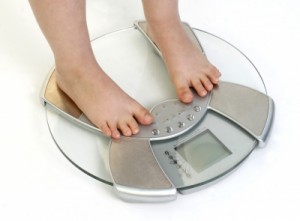
For the first time in human history we are experiencing a childhood obesity epidemic.    40% of children are overweight and 2 million children in the US are considered morbidly obese, exceeding the 90th percentile for weight.  Even more alarmingly, the current childhood obesity epidemic is giving way to an increase of over 1000% in the cases of type 2, or “adult onset”, diabetes, in children.  In the past fifteen years the percentage of new cases of diabetes in children has risen from only 3% of all diabetes cases to over 50%!

On top of that, a new study has found that medications that are taken by adults with Type 2 diabetes are not as effective in children and often stop working altogether after a few years, leaving no option other than increasing the amount of insulin injections, which themselves can lead to weight gain, high blood pressure and high cholesterol.

This is one of many adult diseases that are becoming commonplace in children.  According to a colleague who is concerned over the state of children’s health in our society:
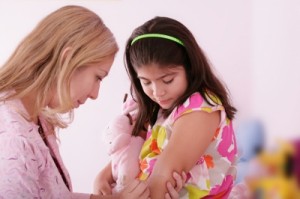
I recently spoke at an Emory University conference on childhood type 2 diabetes.  I met a pediatric gastroenterologist and wondered what he was doing at a conference on diabetes.  He told me he now has 5-year-old patients with cirrhosis from fatty liver caused by years of drinking soda. There has been an over 50% increase in strokes in children aged 5 to 14(8).  We are now seeing heart attacks in teenagers, and twenty year olds needing cardiac bypass surgery because obesity and diabetes clogs their arteries.

Are We Making Our Kids Sick?

Are we making our own kids sick?  Is there a way to stop this?  Diabetes, specifically, is preventable and reversible, but it is not something that can be fixed with medication, health pamphlets or a handful of healthy meals.  To address and reverse this disturbing trend will take a series of lifestyle changes for our whole society.

Looking just at the obesity and diabetes issue, take these statistics, for example:

  • The average American consumes 54 gallons of soda each year
  • The average child in America consumes 34 teaspoons of sugar every day.

Does any doctor or parent honestly think that one can medicate a child out of the results of years of this behavior?  Sugar and junk food have been proven to be biologically addictive.  That it is acceptable and normal for children to be consuming such a high amount of this substance despite the known health risks associated with it is illogical and absurd, but it continues to be the norm.  We need to move beyond setting our children up for a lifetime of sickness and ill-health.

This is not just about “making better choices” or “cutting down” on harmful foods in the diet, nor is it about individual parents taking charge of their own children’s food choices one at a time.  In order to address the issue of food and health, our culture needs a complete overhaul of the way we look at food. 

According to our colleague, Dr. Mark Hyman:

The food industry has hijacked our taste buds, our brain chemistry, our kitchens, our homes, our schools and our communities.  When children have nearly unlimited access to sugar and processed food, when we have 600 calories more per day of sugar calories per person than 30 years ago we have to have an honest accounting of the playing field.  The food environment is designed for kids and adults to fail.

Making a Change

Making a change is imperative for everyone, not just those with children.  It is important for the future of our culture and society as a whole that Type 2 diabetes as well as childhood obesity are eradicated from the equation.  Healthy children are much more likely than sick children to grow into healthy, productive, successful adults.  The well-being of our children can increase the health of our communities and our culture as a whole.

There are many approaches to making the changes necessary for making living an unhealthy lifestyle unacceptable.  This means fostering health instead of disease.  It starts at home, with a healthy diet consisting of fresh and nutritious meals, low in sugar.  Breaking the sugar habit is a difficult, but important step to health. 

However, there are forces outside the home which encourage the consumption of sugar and junk food, and initiatives that could be undertaken to address these.  Some include stopping government subsidies of agricultural products that allow cheap, high-calorie, nutrient-deficient sugars and fats into the marketplace in a more accessible manner than nutritious, wholesome foods; taxing sugar and possibly processed junk food with added sugars to help cover the hundreds of billions of dollars worth of health care costs related to increasing obesity, diabetes and heart disease; banning the marketing of junk foods to children; and funding and supporting community-based initiatives such as community gardens and local farmstands, cooking and nutrition classes and programs to create healthy school lunches.

We have included a list of tips and actions you can take in your own home and community to address this issue and begin making a change, for the sake of our children and our future.  Please comment on this article to add your own ideas to the list of tips and steps we can take.  This is in our hands!

It starts with food.  Tips for a healthier future.

  1. Eat carrots, not cookies.  100 calories of a vegetable is NOT equal to 100 calories of processed sugars and fats.  Healthy snacks are packed with essential vitamins and minerals that you will not find in a snack pack of chips or cookies.
  2. Lead by example.  If you have kids, work with kids or are ever around them, you know that children follow the example of the adults around them.  If they see YOU making healthy choices on a regular basis, they will follow suit.
  3. Shop at your local farmer’s market.  You won’t find as many processed foods there and you may even be able to meet the farmer who grows your food.  Shopping at a farmer’s market instead of a grocery store will encourage you to purchase and use more fresh fruits and vegetables instead of processed foods high in sugar, fats and preservatives.
  4. Support a ban on marketing junk food to children.  The USA is only 1 of 2 countries who still allow junk food marketers to target children.  Contact your legislators and tell them you would support such a ban to ensure a healthy future for our children and our nation.
  5. Support a ban or reduction of government subsidies of junk food and products high in sugars.  Contact your legislators and tell them you would support such a ban to ensure a healthy future for our children and our nation.
  6. Support healthy school lunches.  Even if you don’t have children, contact your local PTO or PTA and Board of Education and tell them you want healthy, nutritious lunches for the children in the school to help ensure a healthy community and a healthy future for the community.
  7. Reduce sugar consumption in your diet and encourage the same for your family members and friends.
  8. Get active!  Don’t remain sedentary.  Move around, exercise, walk, run, play, anything to keep your body active and moving.
  9. Choose fresh foods over processed foods.  Processed foods contain many sugar and chemical additives and usually contain less nutritional content than fresh foods.
  10. Cook your own meals.  You know what goes into the meals you cook, but the same cannot always be said for pre-prepared meals, restaurant meals, fast foods and processed, pre-packaged meals.  You can control your sugar, fat and chemical additive intake with ease when you prepare your own meals.
  11. Change zoning around schools to limit access to fast food and convenience stores.  Help make it harder to get that bad food!
  12. …YOUR TIPS HERE! Don’t forget to comment on the article with YOUR tips for healthy eating and living.


LINKS AND RESOURCES

Livestrong.com: The Link Between Childhood Obesity and Diabetes: 

NYT- Obesity-Linked Diabetes in Children Resists Treatment: 

Time Magazine: Childhood Obesity and Diabetes 

Free E-book-Food Marketing to Children

Nutrition Education Resources for Teaching Children Healthy Eating Habits: 


Photo Credits in order of appearance (All Creative Commons on Flickr.com)

  1.  Clare Bloomfield
  2.  Stuart Miles
  3.   Imagerymajestic
  4.   Clare Bloomfield
  5.   Lobster20
  6.   Digitalart
  7.   David Castillo Dominici


A Healthy Smile Is No Luxury

Teeth Need Not Change with Age!

Healthy AgingA healthy mouth helps to promote general health and wellness through all stages of life.  According to everydayhealth.com, “research shows that people with good dental health are less likely to develop diabetes and heart disease or have strokes”.  So, maintaining a healthy mouth throughout life is a wonderful habit to develop for the sake of preserving your teeth, your smile, and your overall well-being!

The basics of dental care – brushing, flossing, regular check-ups and cleanings, and eating right – are the same as in all other stages of life. However, there are certain oral health concerns that are more common in seniors.  Knowing these can help you know what to watch for as years come and go.


Tooth Decay:  Bacteria-filled plaque builds up quickly on your tooth enamel, the hard protective covering on your teeth.  The acid that these bacteria produce causes tooth decay.  As we get older, cavities are more likely to develop around old fillings and crowns as well as on exposed root surfaces.

Gum Disease:  Gum disease or periodontal disease, occurs when plaque accumulates and spreads beneath the gum line.  Again, the bacteria in plaque which work their way onto and under the gumline causes inflamed, bleeding gums and eventually bone loss.  Once the attachment of the teeth is compromised, repair can be either very difficult or impossible.  In its most severe form, gum disease results in the loss of teeth.

Root Caries:  Root caries is decay on the roots of your teeth.  If the gums recede and the soft root surface of the tooth is exposed, such decay is very common.  This surface is more susceptible to decay than tooth enamel and is more commonly seen as we enter our retirement years.

Dry Mouth:  Dry mouth is also called xerostomia.  It often occurs as a side effect of medication or other health problems and treatments, including cancer treatments like radiation therapy.  Menopausal and post-menopausal women also often produce less saliva.  The reduction of saliva leads an increased risk of tooth decay and gum disease because the buffers in saliva which neutralize bacterial acids are no longer present.

Oral Cancer:  There are about 35,000 cases of mouth, throat and tongue cancer diagnosed every year according to the American Cancer Society.  Most are over the age of 40, with an average diagnosis age of 62.  Two of the most common contributors to oral cancer are tobacco in any form and alcohol.  Enough said!  Regular exams which include oral cancer screenings can be life savers.

Denture Problems:  Denture wearers need regular care too.  If dentures become loose or fit poorly, mouth sores develop making chewing very difficult and potentially causing excessive loss of bone.  Dentures must also be properly maintained so that bacterial colonies do not form on their surfaces.

Be sure to ask your dental professionals for assistance in caring for your dentures.


The steps to maintaining oral health throughout  life change very little.

  • Brush and floss regularly to eliminate plaque.
  • Have regular dental check-ups and cleanings.
  • Eat nutritious foods and put a limit on “Junk”.
  • Don’t smoke or chew tobacco, and if you do, take the steps to quit.
  • Drink alcohol in moderation.
  • If you have dentures, be sure to give them proper care.

These few simple steps lay a solid foundation for excellent oral health and help you to maintain a smile to last a lifetime!

LINKS AND RESOURCES

VIDEO: Adults Over 60

Health Aging: Oral Health

Adult dental health: aging healthfully

Oral Health Concerns for People Over 60

A Dummy’s Guide to Healthy Aging?

September is Healthy Aging Month.

Healthy AgingWe have been thinking about what that means and how to best maintain and promote health as we age. To that end please enjoy this wonderful slideshow from beliefnet.com. These slides highlight ten tips for healthy aging and give suggestions on how to follow them. Here is a condensed version of their list:

10 Tips for Healthy Aging

  1. Eat good food – a no-brainer!!!
  2. Be physically active – or, you snooze and you lose…
  3. See your doctor and dentist regularly for prevention – I know, a shameless plug but oh so true!!
  4. Don’t smoke –period!
  5. Use common sense (wear your seatbelt, test your smoke detector regularly, travel with a friend, etc.).
  6. Avoid environmental extremes and wear sunblock when going out in the sun.
  7. Consume alcohol with a bit of self-control.
  8. Plan ahead for long-term financial and household needs.
  9. Stay active in your community and keep your friends and family close.
  10. Stay positive. Smile often. Laugh a lot!

For all of their tips and suggestions for healthy aging, please VIEW THE FULL SLIDESHOW HERE

The Results Are In!

The results for the “Best of Hillsborough” are in, and what an experience we had!  First and foremost, our entire team wants to THANK YOU for your votes and especially for the wonderful comments which you shared.  Your support was extremely gratifying and encourages us to work that much harder to provide you, our patients and friends, with the finest in modern dental care (I’m actually writing during a break while attending a “Six Month Smiles” class in Philadelphia).

And now to the eagerly anticipated results—unfortunately we came in second place after a last-minute burst of votes for another colleague.  But, the positive energy from your efforts and those of the other leading office eclipsed all other Hillsborough dentists combined!  The experience was like a fifteen minutes of fame event — being stopped by people at the gym and golf course and grocery store asking how the voting was going.  Wow – that’s a lot of positive energy.

Again, on behalf of our entire team, I’d like to THANK YOU for your voting and kind words.  You are truly appreciated!

Busting the Sleep Apnea Stereotype

IS THERE A SLEEP APNEA STEREOTYPE?

What pops into your mind at the mention of sleep apnea (OSA)?  Do you automatically think of the sleep apnea stereotype:  A middle-aged, overweight man who wears a massive spaceman machine (CPAP) on his head and face at night to keep him from snoring at the decibel level of a herd of buffalo stampeding through the room…?

But sleep apnea doesn’t discriminate, and there truly is no stereotypical snorer.   OSA can affect men and women of all ages and levels of fitness, even affecting children and professional athletes.  On the same token, the CPAP machine, so often associated with OSA, is not the only form of sleep apnea treatment.

Not getting enough rest can have associated health risks

Image courtesy of David Castillo Dominici / FreeDigitalPhotos.net

The problem with the stereotype is that it prevents people from getting diagnosed and treated, leaving them at risk for many additional health problems associated with Sleep Apnea like diabetes, stroke and even cancer.  Up to 75% of the people who suffer from OSA remain undiagnosed and untreated.  A broader awareness of who sleep apnea affects and how it can be treated is necessary to address and treat this sleep disorder that affects an estimated 12 million Americans.

SLEEP APNEA DOES NOT DISCRIMINATE

Sleep Apnea Doesn't Discriminate - Young Man Yawning

Image courtesy of imagerymajestic / FreeDigitalPhotos.net

We can’t reiterate enough that there is no one type of person who is affected by Sleep Apnea.  Although it does affect more men than women, and the risk of OSA goes up as weight and age increase, anyone can be affected by sleep apnea.  Children and even infants can suffer from sleep breathing disorders .  An estimated 2% of all women have a form of sleep apnea.  Even professional athletes like Shaquille O’Neal have OSA.  In our office we screen all of our patients for sleep apnea, regardless of age, gender, weight and health history.  Screening all patients can help detect sleep issues and assist our patients in maintaining their overall health and wellness.

TREATING SLEEP APNEA WITHOUT THE MACHINE

Sleep Apnea treatment is usually associated with the CPAP machine, a mask worn over the face and head to help patients get necessary amounts of oxygen, stop snoring and sleep through the night.  However, that is not the only treatment option.  Other options include oral appliances and, in some cases, surgery.  These alternatives are often sought by patients who cannot tolerate the CPAP or who have not achieved acceptable  results with the apparatus.  Recommended by the American Academy of Sleep Medicine for mild to moderate sleep apnea, we provide our patients with custom made dental appliances, which position the jaw forward and down to hold the airway open and allow patients to breathe and sleep soundly through the night.

BENEFITS OF DENTAL DEVICES

(list from the New York Times Guide to Dental Devices for Sleep Apnea)

  • Significant reduction in apneas for those with mild-to-moderate apnea, particularly if patients sleep either on their backs or stomachs.  The devices also improve airflow for some patients with severe apnea and are excellent when used in conjunction with CPAP to allow lower airflow through the mask resulting in greater comfort and compliance.
  • Improvement in sleep in many patients.
  • Reduction in the frequency and loudness of snoring in most patients.
  • Higher compliance rates than with CPAP alone.
  • Dental devices have shown better long-term control of sleep apnea when compared to uvulopalatopharyngoplasty (UPPP), a common surgical treatment.

HOW WE CAN HELP

Couple sleeping...getting a good night's rest

Image courtesy of imagerymajestic / FreeDigitalPhotos.net

Dr. Nadler screens all patients for Obstructive Sleep Apnea and recommends a sleep study to diagnose any possible cases.  He makes custom dental appliances to treat sleep apnea, helping his patients sleep comfortably through the night, stop snoring and reduce the health risks related to sleep apnea.  If you have any questions about OSA or how dental sleep appliances can help in relieving symptoms and treating OSA, don’t hesitate to call our office at 908-359-6655.


LINKS AND RESOURCES

Visit our website to learn more about how Dr. Nadler treats Obstructive Sleep Apnea.

American Academy of Dental Sleep Medicine: Oral Appliances

New York Times Guide to Dental Devices for Sleep Apnea:

What Are You Afraid Of? –The Scariest Dental Procedures Explained

Dentist with Instruments

Image courtesy of Gregory Szarkiewicz / FreeDigitalPhotos.net

According to reports and our experiences, nearly half of all adults dread going to the dentist. From root canals to TMD to the smallest filling, many adults are afraid of the dental procedures they need to maintain or improve their oral health. Many even avoid going to the dentist altogether because of these fears. Check out this slideshow put together by Everydayhealth.com that explains some of the procedures that people find the most frightening. A little education can go a long way to allay patients’ fears about dentistry!

SLIDESHOW: THE SCARIEST DENTAL PROCEDURES EXPLAINED

Hidden Health Risks: Sleep Apnea and Brain Abnomalities


Can A Child Have Sleep Apnea?

Treatment of childhood OSA actually reverses brain abnormalities!

Sleep Apnea, a sleep disorder that too often goes undiagnosed and untreated, does not limit itself to a specific portion of the population. A common misperception is that OSA only affects middle aged, overweight men. However, it is a disorder that affects an estimated 12 to 28 million Americans, including women and children.

Sleep Apnea affects children too!

According to the American Academy of Family Physicians:

“Obstructive sleep-disordered breathing is common in children. From 3 percent to 12 percent of children snore, while obstructive sleep apnea syndrome affects 1 percent to 10 percent of children. The majority of these children have mild symptoms, and many outgrow the condition. Consequences of untreated obstructive sleep apnea include failure to thrive, enuresis, attention-deficit disorder, behavior problems, poor academic performance, and cardiopulmonary disease. “

A recent article published in ScienceDaily highlights the positive effects of treatment of Obstructive Sleep Apnea in children, detailing the relationship between OSA and brain abnormalities in children aged 8-11 due to neural network damage. The article highlights a recent study that shows the reversal of these abnormalities when properly treated.

The article reports, “‘OSA is known to be associated with deficits in attention, cognition, and executive function,” said lead author Ann Halbower, MD, Associate Professor at the Children’s Hospital Sleep Center and University of Colorado Denver. In the study, the treatment of OSA is related to improvements in attention and verbal memory. The authors of the study also speculate that the earlier the disorder is diagnosed and treated, the quicker the improvements to these executive brain functions.

‘”Our results point to the importance of early diagnosis and treatment of OSA in children, as it could potentially have profound effects on their development.”’

For anyone, going undiagnosed and untreated can increase many hidden health risks of Obstructive Sleep Apnea, including diabetes, stroke and cancer. Treatment of OSA helps to decrease these related health risks. We cannot stress this enough, and so we screen all of our patients for Obstructive Sleep Apnea, hoping to detect any airway related problems and helping all of our patients maintain their health and wellness.

If you have any questions about sleep apnea and your health, please call us at 908-359-6655.

(Image: FreeDigitalPhotos.net)


RESOURCES AND LINKS

Read the original article in ScienceDaily

The American Academy of Family Physicians Journal Article About Sleep Apnea in Children

Diagnosis and Treatment of Childhood Sleep Apnea